
Julius Eastman was a pianist, singer and revolutionary composer who set out to be “Black to the fullest, a musician to the fullest, a homosexual to the fullest.” Central to New York’s experimental music scene in the 1970s, he developed what he called “organic music”: compositions shaped through repetition, accumulation and gradual transformation. Their provocative titles made race, sexuality and power impossible to ignore.
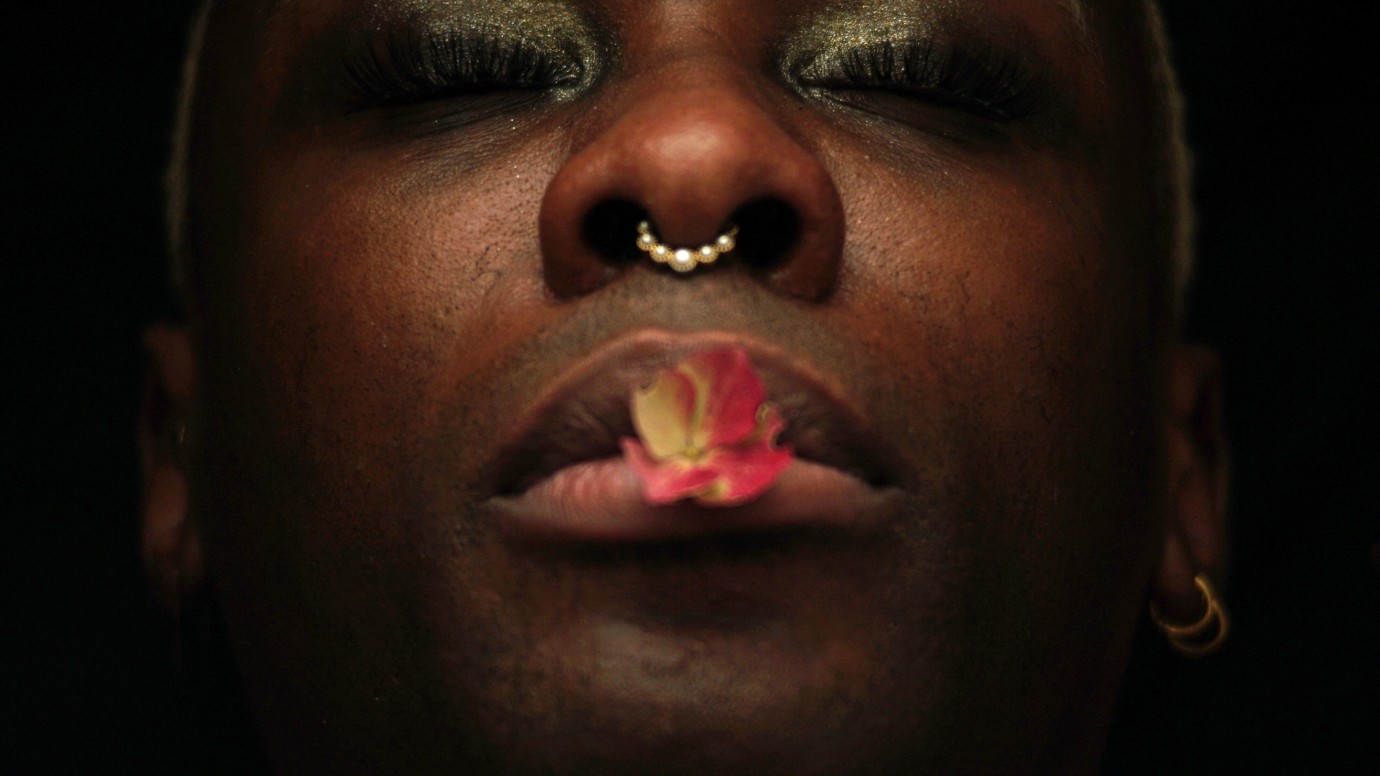
Six filmmakers enter Eastman’s work as collaborators rather than biographers. Structured around four compositions, the film moves between dance in Kinshasa, cellular forms, ritualised bodies and sonic interludes woven from Eastman’s archival voice. Each chapter has its own cinematic language, yet all share his insistence on self-determination, transformation and speaking boldly.
First conceived for a live concert and later expanded into an installation, JOY BOY reaches the cinema as a vivid encounter with a legacy once pushed towards obscurity. Raw, ecstatic and fiercely alive, the film presents Eastman not as a tragic figure from the past, but as a force still growing through the artists, bodies and communities responding to his work.
